
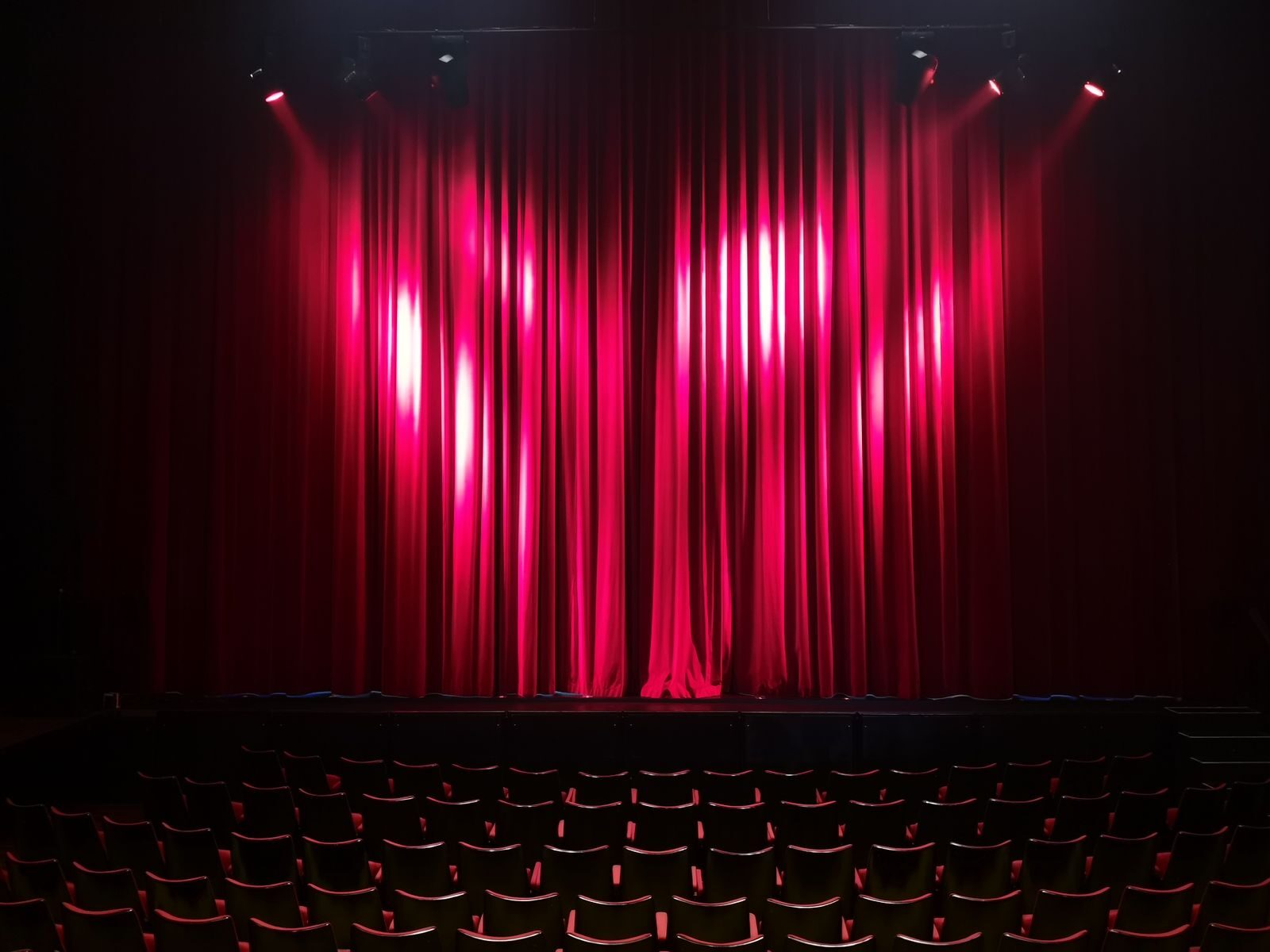
For theatre, one platform dominates: ETC Eos. A theatre lighting console is built around cue-based (tracking) operation — write a show once, play it back identically every night — which is exactly what theater, opera and dance need. Where a live-events desk lives on improvisation, a theatre console lives on precision: every fade, every follow spot pickup, every blackout lands on the same count at every performance, whether the operator is the designer or a stage manager calling a green light to a student on the board. This guide covers what to look for and which consoles fit. For the wider landscape, see our professional buyer’s guide.
Why ETC Eos owns theatre
Eos is the theatre standard: cue-based programming, proven reliability in institutional venues, and a coherent ecosystem. From the entry Element 2 to the flagship Apex, it’s a platform you learn once and find everywhere. That ubiquity is not an accident. The command-line syntax that feels foreign on day one becomes the fastest way to build and edit a large cue stack once it clicks, and because tracking carries a value forward until you deliberately change it, a designer can shift a single channel across an entire act without re-recording every cue by hand. Universities, regional houses and road houses standardize on Eos so that visiting designers arrive already fluent and a graduating student walks into the industry knowing the desk. Details in our ETC Eos guide.
What to look for in a theatre desk
Cue-based operation is the non-negotiable: a proper cue list, tracking behavior, and the ability to build, renumber and edit cues quickly under pressure. Beyond that, look at how the desk handles complex sequences — multipart cues with independent fade and delay times, follow and hang times, and effects that layer over the base state without disturbing your recorded look. Magic sheets or custom layouts help an operator find channels fast in a dark booth. Fader count matters less in theatre than it does in live work, because most of the show plays back on a single GO button, but you still want enough submasters and playbacks to handle house lights, work lights and the occasional busked moment. Finally, weigh the ecosystem: fixtures, gateways, networking and offline software that all speak the same language reduce the number of surprises on a tight tech schedule.
Other options
For houses that also do heavy live or touring work, grandMA is an alternative — though for pure cue-based theatre, Eos remains the reference. A venue that hosts concerts one night and a scripted play the next may value grandMA’s fast, hands-on live workflow, and its operators can adapt it to cue playback. But most designers who work primarily in scripted theatre reach for Eos, because the cue-editing model and the depth of tracking tools are simply built around how a play is rehearsed and run. Choosing the road-less-traveled desk in a theatre also means fewer local operators know it and fewer visiting designers arrive ready to sit down and program.
For small theatres
A small theatre rarely needs a flagship desk: an entry Eos (or a capable stage lighting controller) covers most needs while keeping the same workflow you’d grow into. The advantage of starting on the family’s entry model is continuity — a volunteer or student who learns the syntax on a small board can walk up to a much larger one and feel at home, because the software is shared across the range. That protects your training investment and makes it easy to rent a bigger desk for an ambitious production without relearning anything. Start with the console that matches your fixture count today, and lean on the shared platform to grow into larger rooms and shows later.
FAQ
What lighting console do most theatres use?
ETC Eos, by a wide margin, especially in the US and in institutional venues. Learn it and you can walk into almost any theatre gig ready to work.
Theatre or theater — does spelling matter?
Same thing: “theatre” (UK / international) and “theater” (US) refer to identical consoles. Manufacturers, designers and dealers use both spellings interchangeably, and it has no bearing on the hardware or the workflow.
Do I need a flagship console for a school or community theatre?
No — an entry model in the same family gives you the identical cue-based workflow at a fraction of the price, and the skills transfer directly if you later step up to a larger desk for a bigger show.
Photo credit: Pexels
Affiliate links: the price is the same for you, the commission funds our tests. As an Amazon Associate we earn from qualifying purchases.Where to buy : ETC Eos Ion Xe
Retailer Why Gear4music Competitive price, European stock, fast delivery See lighting consoles at Gear4music → Amazon Fast shipping, used and renewed units See on Amazon →
💡 Essential accessories for your lighting console
This page contains affiliate links. If you buy through them, we may earn a commission at no extra cost to you.
- DMX cable, 5-pin, 5 m : Stairville PDC5CC 5,0 m
- DMX terminator, 5-pin : Stairville DMX Terminator XLR 5-Pol
- DMX splitter, 2 outputs (3/5-pin) : Enttec D-Split (XLR 3 et 5 broches)
- USB gooseneck lamp : Adam Hall SLED 1 Ultra USB