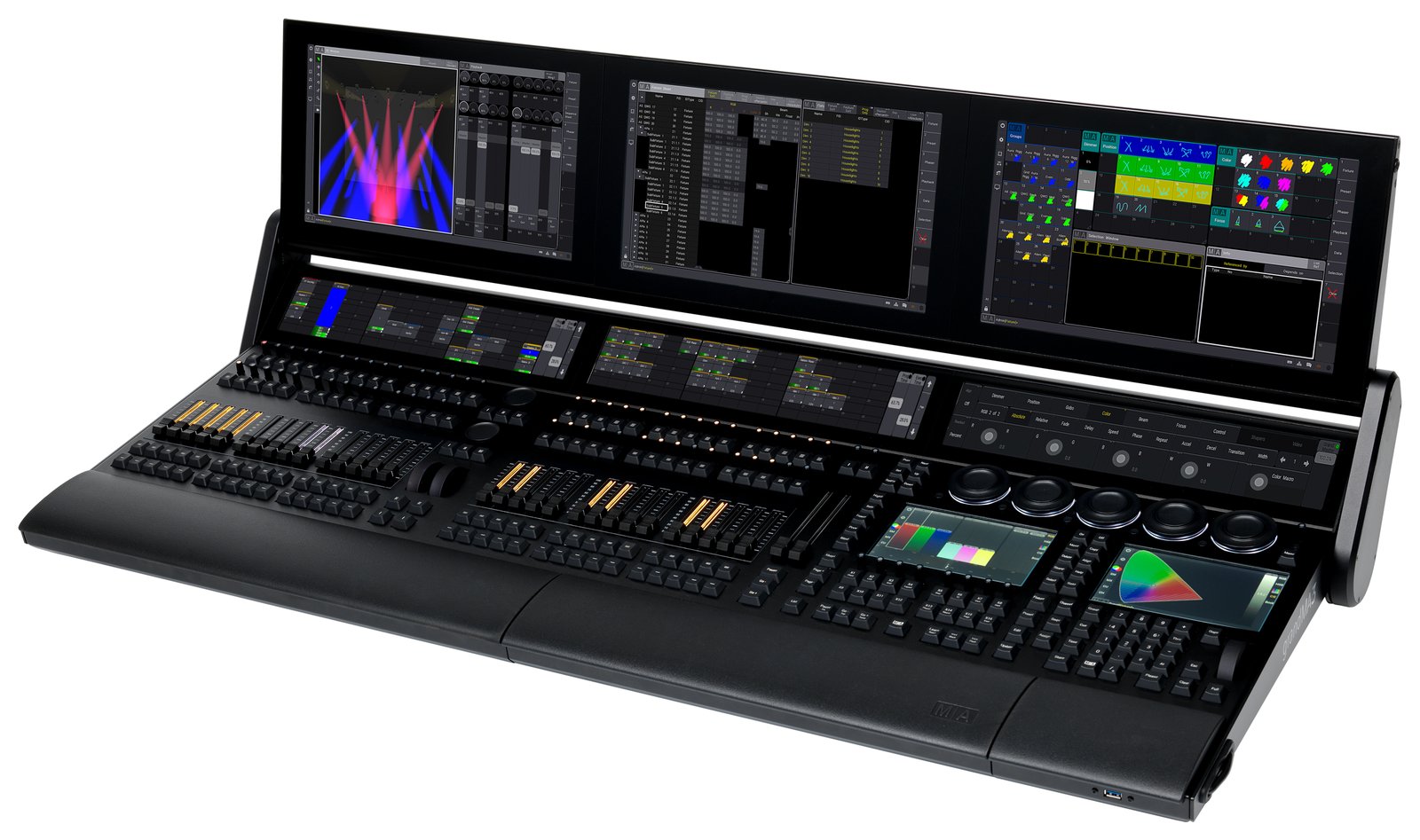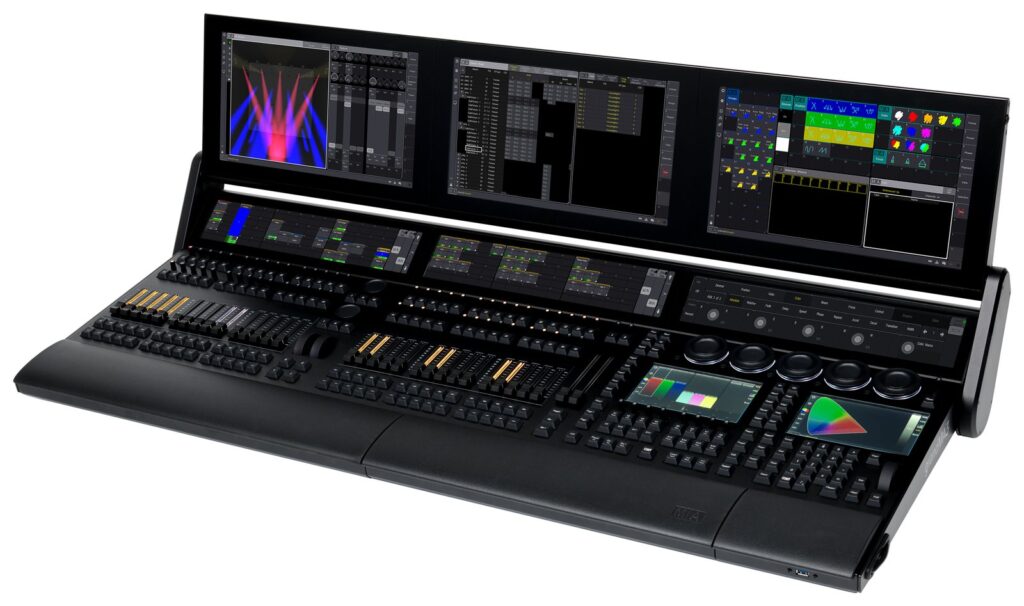
grandMA3 onPC is the cheapest way into a platform you will meet on many professional riders. The software itself costs nothing, but getting real DMX out of it requires MA hardware, and the parameter count depends on which hardware you connect. This guide explains what’s free, what you need to buy, and how the options compare.
What grandMA3 onPC is (and isn’t)
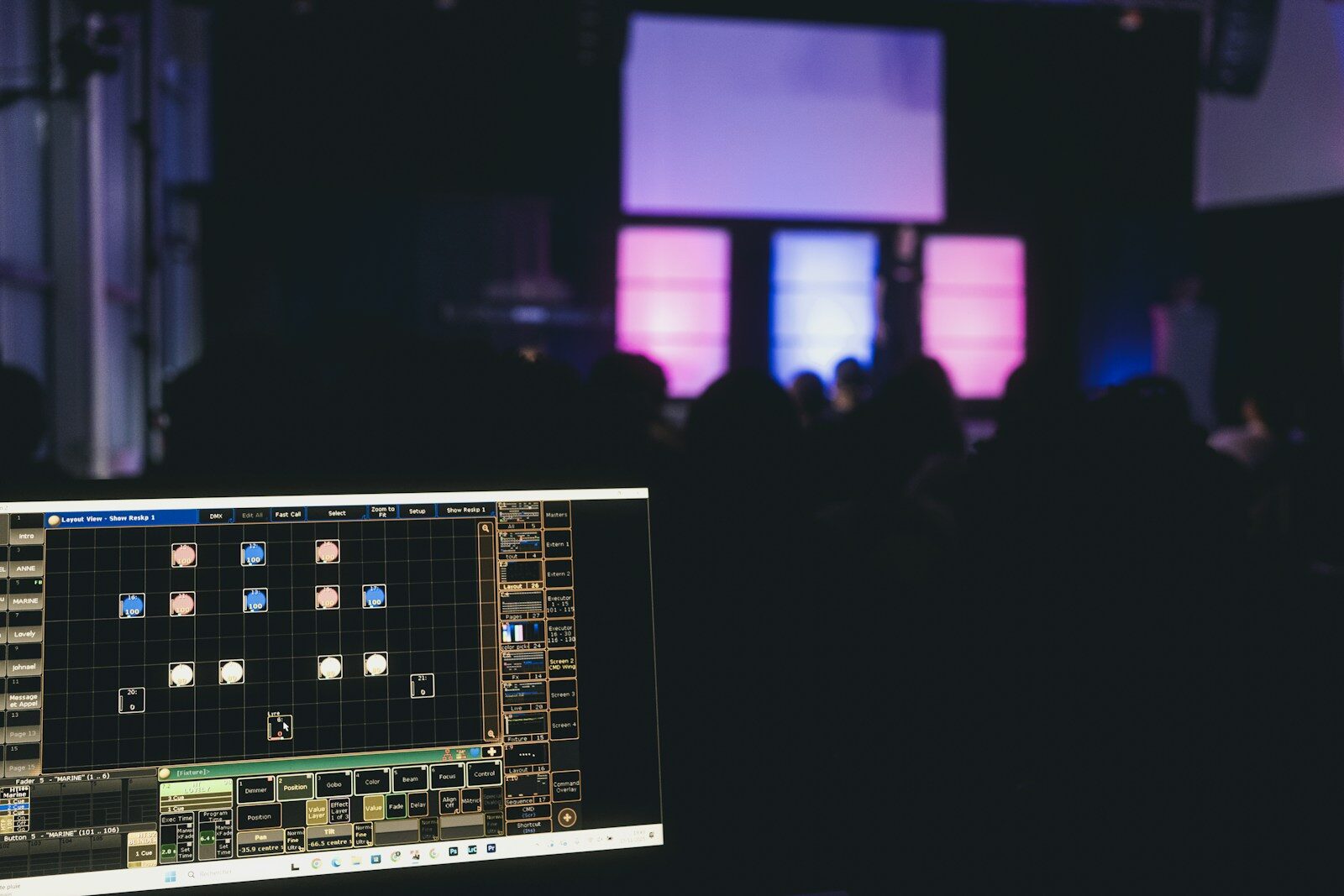
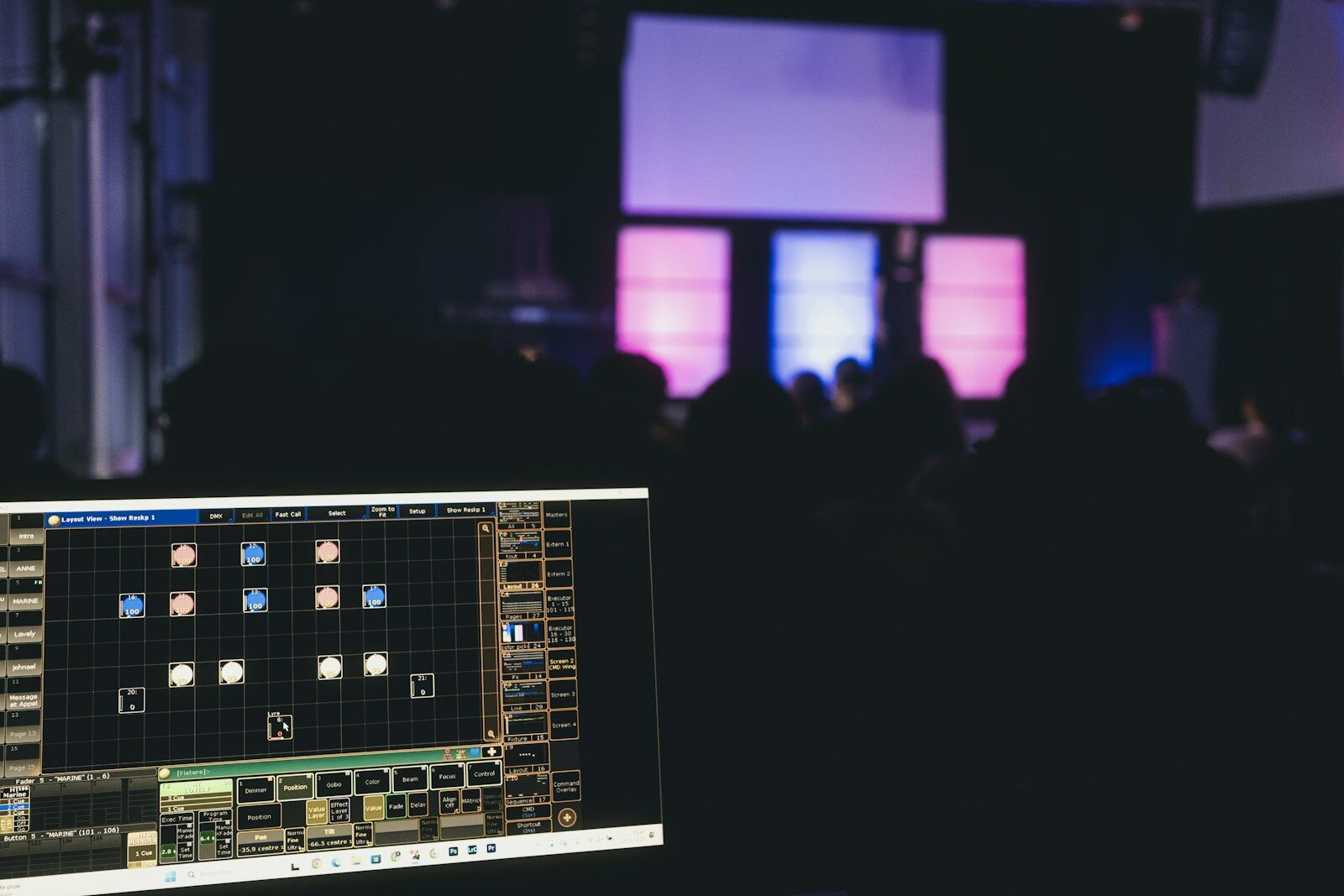
grandMA3 onPC is the full grandMA3 software running on your own computer. MA Lighting offers it free of charge for Windows (10/11) and macOS; at the time of writing the current software release is v2.5.1.0. It is the same software that runs on the grandMA3 consoles, so the syntax, the windows, the show files and the workflow are identical.
On its own, onPC lets you:
- Learn grandMA3 at home, including with MA University’s free e-learning
- Build and edit show files offline before you reach the venue
- Prepare patches, presets and cue lists for a console you’ll meet on tour
What it does not do on its own is output DMX. MA states it plainly: DMX output from onPC requires grandMA3 onPC hardware connected to the computer. That hardware is what you’re really choosing.
Your options for DMX output
DMX-key starter: 1,024 parameters
The DMX-key starter is the smallest way to unlock onPC output, with 1,024 parameters. It suits small rigs, education and anyone who wants to run a modest real show from a laptop.
DMX-key: 4,096 parameters
The grandMA3 onPC DMX-key is a USB-C dongle with two DMX outputs, and it unlocks 4,096 parameters. For a freelancer or a small venue, it turns a laptop into a working grandMA3 system without any control surface.
onPC Nodes: 4,096 parameters
All grandMA3 onPC Nodes enable 4,096 parameters and handle MA-Net3, MA-Net2, sACN and Art-Net. The current range includes the 2Port, 4Port and 8Port Nodes, the 4Port Node DIN-Rail and the I/O Node. A node makes sense if your DMX needs to leave the laptop over Ethernet and come out near the rig, or if you already plan a networked system.
onPC command wing: 4,096 parameters plus a real surface
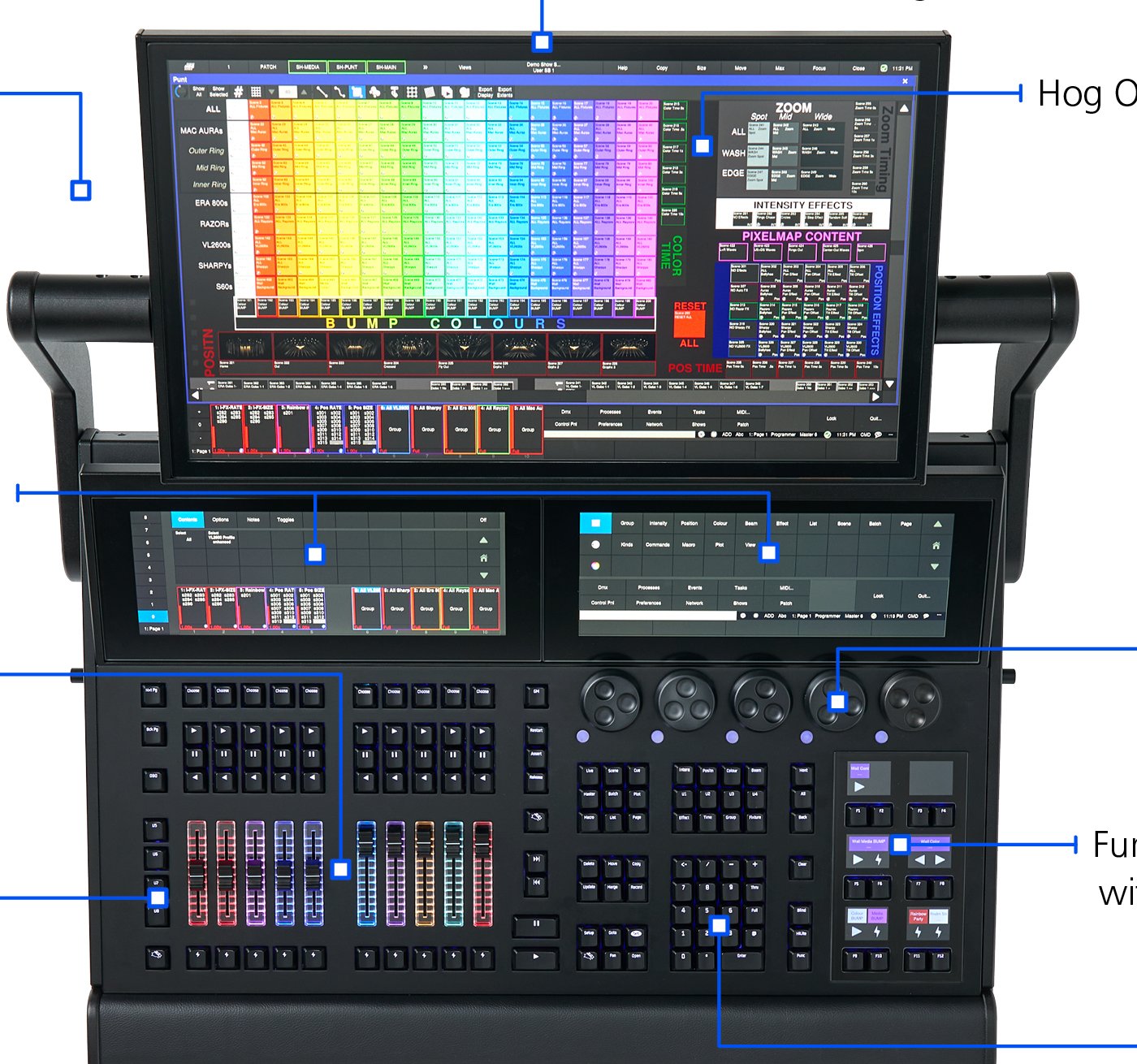
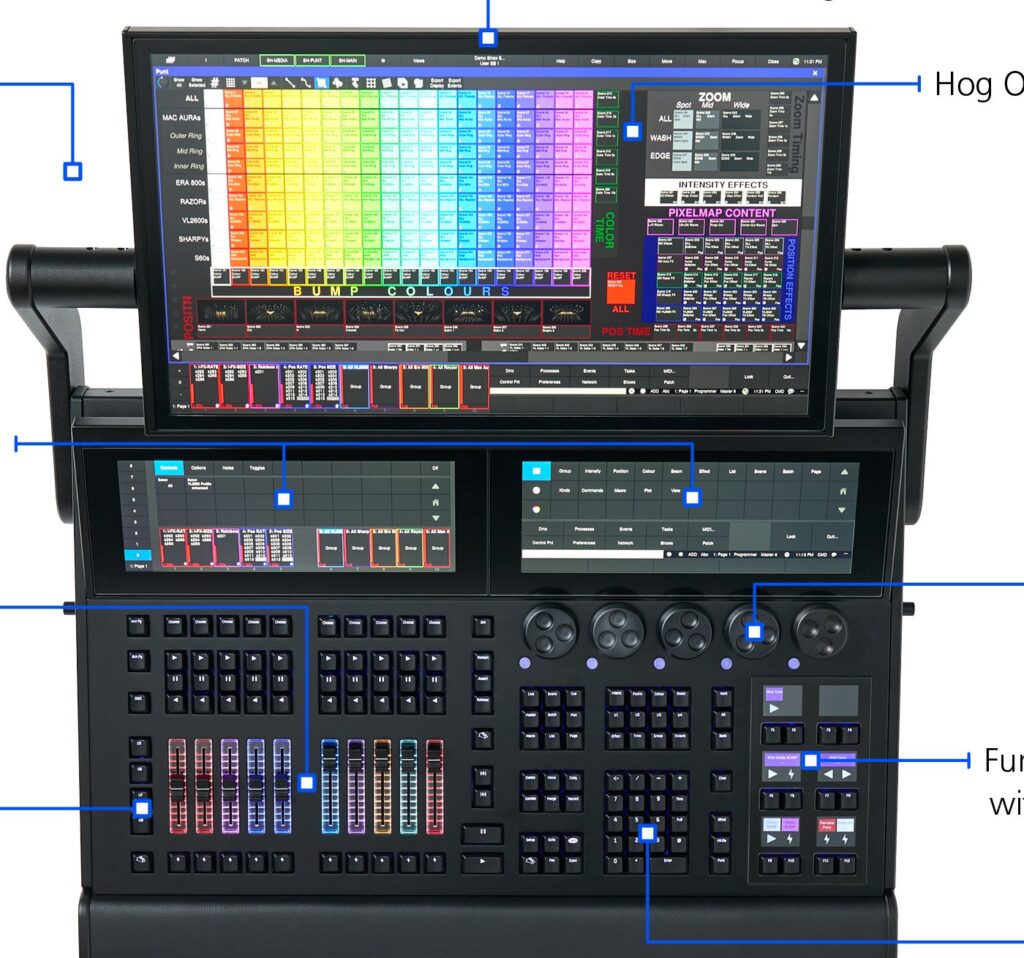
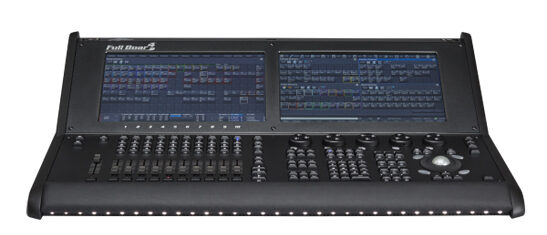
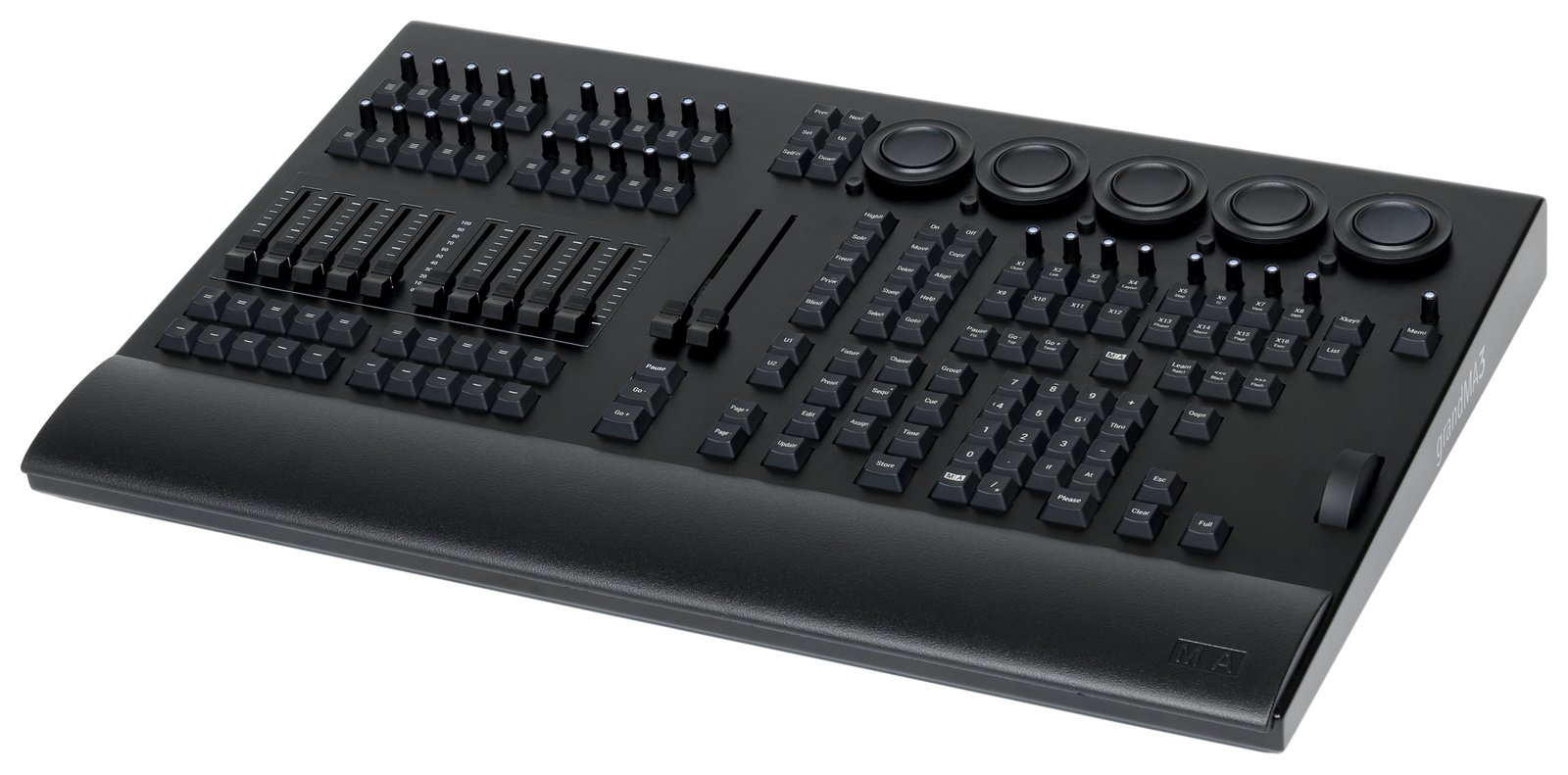
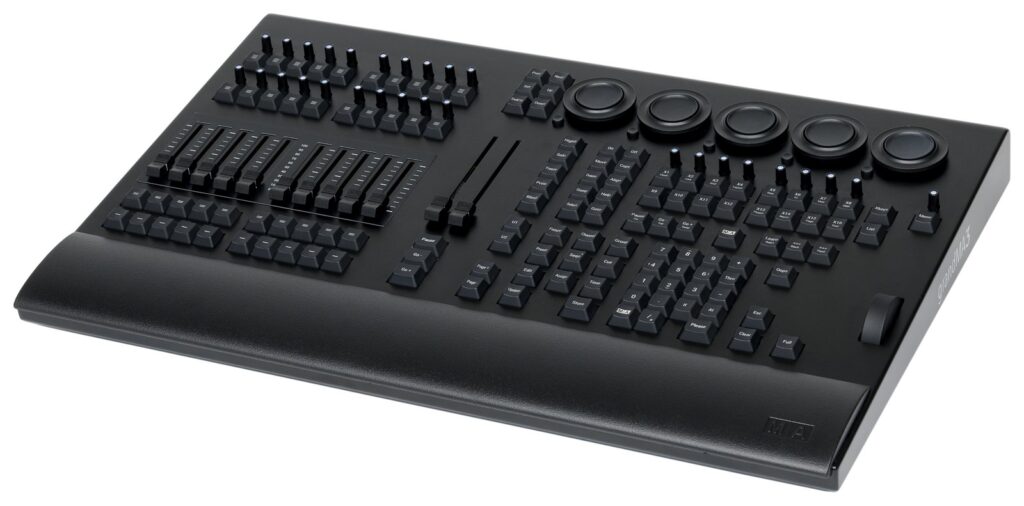
The grandMA3 onPC command wing connects to your computer by USB 2.0 and adds a genuine grandMA3 programming surface: 10+2 faders, encoders and the command keys, plus 2 DMX outputs and 1 DMX input. It unlocks 4,096 parameters and weighs 10 kg. This is the classic “laptop plus wing” setup many operators use for small and mid-size shows.
onPC command wing XT: a console without the console price
The command wing XT has 10+2 motorized faders and an integrated computer, so it does not need your laptop. It also unlocks 4,096 parameters and weighs 12 kg. Think of it as a self-contained grandMA3 desk at a lower price than a compact, with fewer parameters.
onPC fader wing
The onPC fader wing adds physical playbacks alongside your onPC setup. It is the add-on for operators who want more faders under their hands.
Price and capacity at a glance
| Hardware | Parameters with onPC | DMX ports | Thomann UK, 09/2026 |
|---|---|---|---|
| DMX-key starter | 1,024 | See MA specs | Price on request |
| DMX-key (USB-C) | 4,096 | 2 out | Price on request |
| onPC Nodes (2/4/8Port, DIN-Rail, I/O) | 4,096 | Depends on model | Price on request |
| onPC command wing | 4,096 | 2 out, 1 in | about £5,890 |
| onPC command wing XT | 4,096 | See MA specs | about £12,590 |
| onPC fader wing | Adds playbacks | See MA specs | about £3,699 |
Prices are Thomann UK street prices, checked in September 2026. US prices come from MA dealers on quote.
How onPC compares with a grandMA3 console
The key number is 4,096. The onPC hardware options above unlock at most 4,096 parameters, while the grandMA3 compact and compact XT start at 8,192 parameters, the light at 16,384 and the full-size at 20,480. All grandMA3 consoles can scale to 250,000 parameters per session with processing units M, L or XL.
Put simply: onPC with a command wing is ideal for learning, pre-programming and small to mid-size shows. When the rig grows past 4,096 parameters, you move to a console. Our comparison of the grandMA3 compact vs compact XT covers the next step up, and our guide to how many DMX universes you need helps you estimate your rig.
Recommended setups
- Student or beginner: free onPC plus MA University e-learning. Add a DMX-key starter when you want to drive real fixtures.
- Freelance programmer: onPC on your laptop for show prep; a DMX-key or node for small gigs.
- Small venue or church: onPC command wing with a dedicated computer and one or two external monitors.
- Touring backup or compact FOH: command wing XT, which needs no separate computer.
If you are new to DMX itself, start with our explainer on what DMX512 is. For the wider software landscape, including free alternatives like MagicQ and Onyx, see our overview of DMX lighting control software, and for the platform as a whole, our grandMA3 review.
Bottom line
grandMA3 onPC is free and identical to the console software, which makes it the best way to learn the platform and prepare shows. For live output, pick your hardware by need: a DMX-key starter (1,024 parameters) for small rigs, a DMX-key or node (4,096) for a laptop-based system, and a command wing or command wing XT when you want a real grandMA3 surface. Beyond 4,096 parameters, it’s time to look at a console.
Frequently asked questions
Is grandMA3 onPC free?
Yes. MA Lighting offers grandMA3 onPC free of charge for Windows and macOS. DMX output, however, requires connected grandMA3 onPC hardware.
How many parameters does a grandMA3 onPC DMX-key unlock?
The USB-C DMX-key with two DMX outputs unlocks 4,096 parameters. The DMX-key starter unlocks 1,024 parameters.
Do grandMA3 onPC Nodes support Art-Net and sACN?
Yes. All grandMA3 onPC Nodes enable 4,096 parameters and handle MA-Net3, MA-Net2, sACN and Art-Net.
What is the difference between the command wing and the command wing XT?
The command wing connects to your computer over USB and has 2 DMX outputs and 1 input. The command wing XT has 10+2 motorized faders and a built-in computer; both unlock 4,096 parameters.
Sources — MA Lighting – grandMA3 software, MA Lighting – grandMA3 onPC command wing, MA Lighting – Training and support (MA University).